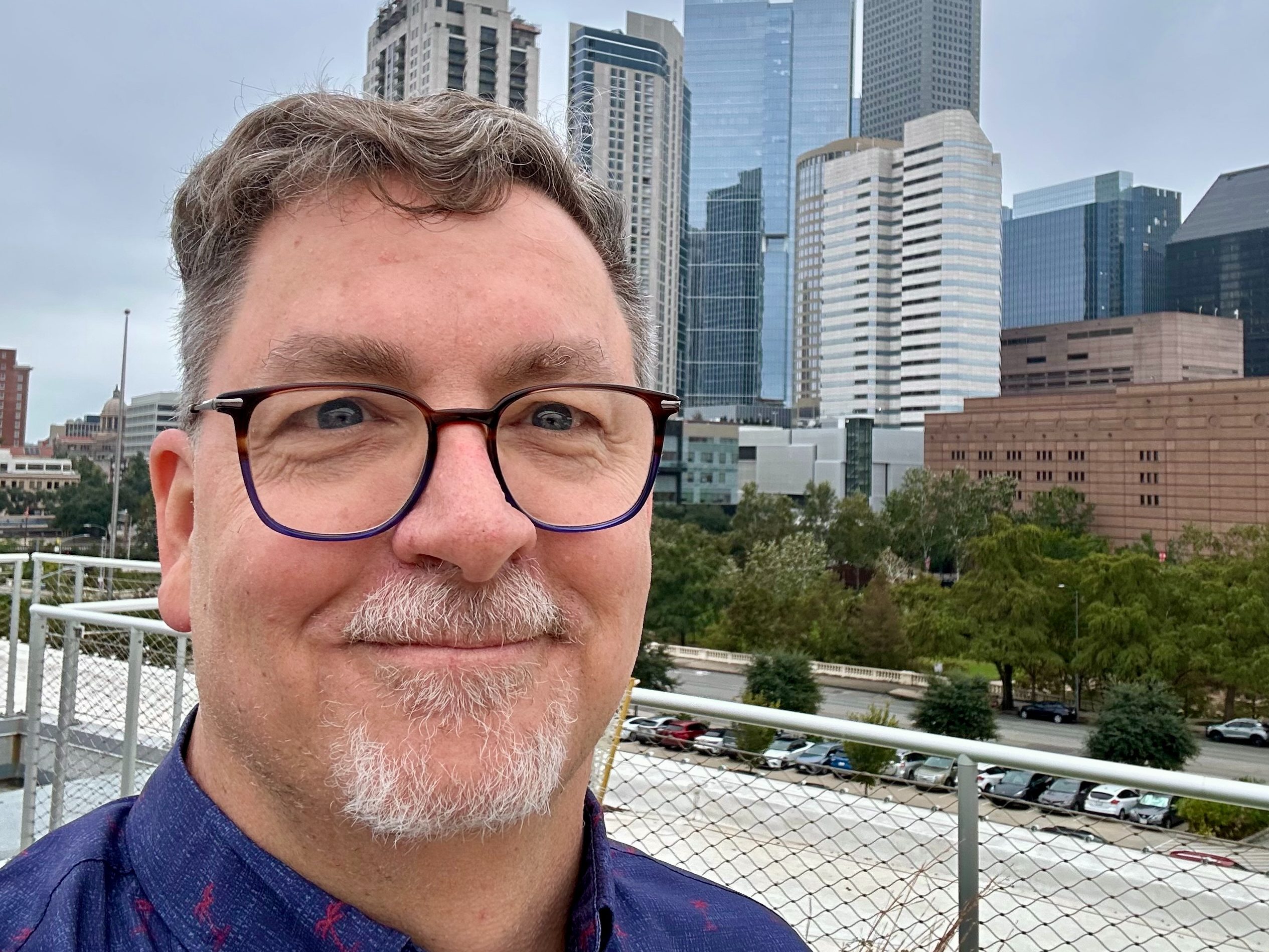
Sit down with Dave and hear some of his thoughts about his life and ministry.
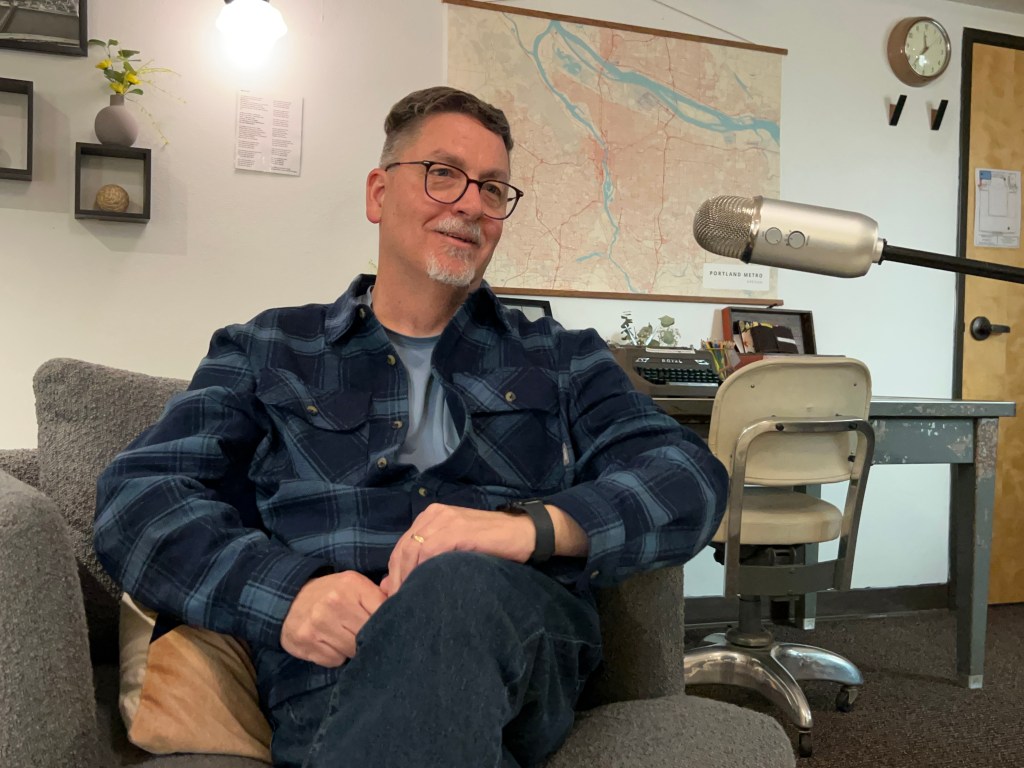
Dave, tell us a bit about your conversion experience, personal journey, and relationship with
God as a follower of Jesus Christ.
I became a Christ-follower as a young boy, the result of growing up in a Christian home. However, that faith was more on loan to me than owned. I put my life’s trust in Jesus and owned my faith when I was fourteen.
My adolescence was marked by a disconnect between my father and me. My Dad was a Presbyterian minister; our home was in the manse next door to the church where we lived under a magnifying glass. Dad worked 70-80 hours a week; I was the youngest of nine siblings and often starved for attention.
The lack of relationship with my father impacted my young faith. I believed in the church’s doctrine and Bible stories, but a loveless, non-relational home warped my faith. Frustration led to rebellion, like running away from home. At fourteen, I planned a permanent separation by joining a Teen Missions Int’l (TMI) trip and never returning home.
God had a different plan. TMI put all their would-be teen missionaries through rigorous training in the Florida swamps. God spoke to me during those weeks; He showed me that genuine faith is more than intellectual assent, it includes genuine loving relationship. I experienced God’s love through my team leaders and members. During one evening service at boot camp, in the summer of 1981, I listened to the Lord’s prompting and offered my life to Him. God’s Spirit made it clear to me that I would spend my life in full-time service for His kingdom.
While God changed me at fourteen, the relationship with my dad never significantly improved. Fourteen years later, he passed away from Parkinson’s disease. A year before his passing, Dad and I had a healing conversation where I expressed my love and longing for relationship. Since then, I’ve known peace and love for him, and I look forward to our reunion.
Today, Jesus is my greatest joy, highest hope and deepest treasure. Each day I seek to draw my attention onto God, which shapes my affection and eventually reforms my actions.
Describe your call to ministry and what motivates you to stay in ministry.
Ever since I was a teenager, I knew God had called me into full-time service. I initially believed this calling was to be a missionary, which led me to attend Columbia Bible College, known for its international missions program. After college, newly married, my spouse and I applied to GEM to be missionaries in Belgium. However, during the application process, we realized we weren’t ready and started a short career in business at AT&T.
After seven years in business process reengineering, God reminded us of our calling to full-time service. During this period, He nurtured in me a deep love for the church. With the guidance of my mentor and divine encouragement, I became licensed and ordained with the Christian and Missionary Alliance (C&MA). Starting in 1997, I served as a lead pastor in both domestic and international churches, consistently affirmed in my calling and pastoral gifts.
In 2019, my pastorate in Paris, France, was disrupted when it became clear that the church needed redevelopment. The leadership resisted change and preferred a passive leader, which wasn’t a good fit for me. I stayed for six months, exposed systemic issues, and pointed leadership towards revitalization, which they didn’t pursue. After France, I paused my pastorate to reflect and recover, briefly working in a Christian non-profit. However, the Spirit continued to prompt me back to pastoral work. In recent years, through VCM, I have embraced a calling as intentional interim pastor, using my gifts to shepherd churches through significant change.
What motivates me to stay in ministry is the deep love for the church that God has grown in me, the genuine relationships, and the opportunity to serve humbly and worship wholeheartedly. The Spirit’s prompting and the affirmation of my pastoral gifts continually reinforce my calling and commitment to full-time service for His kingdom.
What kind of ministries does your spouse participate in?
Maryanne’s role while I was a permanent pastor was shaped by her available time and her ministry passion. In Thailand, she thrived in ministry: holding a leadership position in the large women’s ministry, assisting in children’s ministry, visiting orphanages, and regularly visiting foreign women imprisoned in Bangkok to mentor and support them. Since she didn’t have a full-time job in Thailand, she had ample time to volunteer. In Texas, Maryanne works full-time, which limits her available time. We co-lead a small group, she led Servant Ministries (deaconesses), and she volunteered with the AV team.
How do you balance family and ministry, making your family a priority?
Balancing family and ministry has always been a central conviction for me. In my years as a permanent pastor, I intentionally limited my schedule to about 45–50 hours a week, including some evenings and weekends, so that family remained a priority. That rhythm allowed space for movie nights, vacations, and meaningful time with my daughters—reminders that ministry begins at home.
As an interim pastor, the balance looks different. I often spend 20 or more days each month working remotely out of state, which makes those days very full. Maryanne and I stay connected through calls, texts, and FaceTime, and when I am home, my schedule is lighter, giving us evenings and weekends together. In my current engagement, Maryanne is more often traveling with me during these times away, so that we can share life and ministry side by side.
For me, making family a priority is not in tension with ministry—it is the foundation of it. A healthy pastoral rhythm allows me to serve the church faithfully while nurturing the relationships that give ministry its authenticity and joy.
Describe a sanctifying time in your journey walking with Jesus.
Two life experiences come to mind. First, when I was finishing my master’s in Christian counseling, I
sensed the Spirit speaking to me about my relationship with Maryanne. I realized that I was perceiving her as perfect, idolizing her, and placing my trust in her. The Spirit convicted me, and I had to repent for putting Maryanne at the center of my heart. I also had to confess to her for treating her in this way. Second, during my late twenties, I was convicted to speak to my dad about my longing for a relationship with him. In both of these life experiences, I sensed that I was changed or reoriented. If either of these moments had been missed, I would be less spiritually and/or emotionally healthy and might lack the sense of God’s shalom today.
Describe the role of accountability for a pastor and how that has been a part of your life.
Accountability plays a vital role in a pastor’s life, offering guidance, support, and a space for personal and spiritual growth. In my life, accountability has been woven through long-standing relationships with mentors and friends.
Doug, a friend and mentor for over thirty years, has been a significant source of accountability. He was the pastor of the first C&MA church my wife Maryanne and I attended in NJ when we were newly married. For a few years, we met weekly for soul talk, deepening my affections for Jesus. During this time, I became ordained in the C&MA. Even today, Doug and I talk 2-3 times a month, covering soul care, ministry matters, and praying for each other. Our visits, when possible, continue to reinforce this accountability.
Bruce, an elder in the C&MA church I pastored near St. Paul, MN, has been a friend for twenty years. Our mutual interest in counseling, soul care, and Larry Crabb’s works has deepened our connection. We attended Larry’s schools of spiritual direction together, and though our accountability conversations are not regular, we engage in soul talk and deeper conversations periodically.
Mary, is a Spiritual Director that I got to know during our Doctor of Ministry studies. I meet with her monthly on zoom and she helps me consistently attend to how God is working in my life and ministry. Her counsel has helped me deepen my trust in the Lord and keeps me attuned to how I’m really doing.
These relationships have been instrumental in providing accountability, fostering spiritual growth, and maintaining a healthy balance in my pastoral journey. They remind me of the importance of staying connected, being open to guidance, and continually seeking personal and spiritual development.
How are you strengthening and growing your relationship with the Lord?
I am strengthening and growing my relationship with the Lord by spending an hour each morning in prayer and scripture reading. I use Bible reading plans to stay on track and ensure I read through the entire Bible. I also find the Lectio 365 app by Prayer 24-7 to be incredibly beneficial in praying the scriptures and maintaining a slower, more reflective pace in my union with God.
Beyond my morning time, I often practice an evening examen prayer, either using Lectio 365 or simply praying through the events of my day. Additionally, I meet monthly with a spiritual director on Zoom. She helps me stay attentive to how God is working in my life and how I can be more present with Him. These practices have been instrumental in deepening my faith and fostering a closer, more intimate relationship with the Lord
What would you identify as your passion in ministry?
I possess a monastic heart combined with a missional mindset. My objectives in ministry involve integrating these two aspects into the life and development of the church, focusing on Christ-centered contemplative spirituality. This can be achieved by establishing and promoting deep practices that foster vibrant communion, including a counter-cultural pace of life and ministry. I envision a missionally oriented church structure that is decentralized, rather than centralized, and apostolic rather than attractional, to empower missional communities similar to home churches.
In Houston, Maryanne and I attend a dynamic young church, approximately eight years old, which has grown to about two thousand. This church views itself as a network of missional communities (over forty house churches), each led by a shepherd who fosters a community of care and discipleship. These communities engage in regular rhythms that include gatherings focused on the Word and prayer, and other meetings centered around sharing meals with those who are unchurched and a distance from God. These missional communities are integral to my ministry philosophy.
Furthermore, I am passionate about international churches (ICs). My doctoral studies focus on developing missional practices, community, and thought within ICs. I acknowledge the significant potential for promoting the gospel among individuals experiencing cultural dissonance.
What is your philosophy of ministry?
My philosophy of ministry focuses on three core elements: Orthodoxy (what we believe), Orthopraxy (what we do), and Orthopathy (how we feel). These elements are intertwined and essential in following Christ, whether individually or as a community.
Personally, my mission is to “Know God, Share Life, Bring Hope.” The church I pastor emphasizes being “Deeply rooted with God” (Orthodoxy), showing self-giving love (Orthopathy), and being sent as people of hope (Orthopraxy). Our partner church in Houston, Seven Mile Road, reflects this philosophy, inspired by the Emmaus Road story in Luke 24: Journeying Together, Beholding Jesus and Spreading Hope.
In summary, my ministry philosophy is to maintain a balance of Orthodoxy (“Jesus is Lord”), Orthopraxy (“Disciple Making”), and Orthopathy (“Wholehearted affections”), integrating mind, will, and heart in discipleship, in line with Hebraic traditions.
What do you perceive the major task of the church to be and what do you see as your role in that?
The following three passages are fundamental to my ministry and the church I lead:
- Matthew 28:18-20: This passage highlights Jesus’s Great Commission, which sends us into mission.
- Mark 12:30-31: This passage focuses on Jesus’s Great Commandment, which roots us in the self-giving love of God.
- Matthew 11:28-30: This passage presents Jesus’s Great Invitation, calling us to restful yet active union with Him.
Collectively, these passages emphasize the importance of being deeply rooted in an intimate relationship with God. From this union, we are loved and derive the capacity to love and are called to share that love with those who are lost. My pastoral calling is to be a compelling example and a passionate advocate of all three.
Who have been key influencers in your life?
Larry Crabb has profoundly influenced my life. I grew up in a religion focused on behavior, where we hid our true selves. I needed a faith that transcended appearances and honestly addressed personal brokenness. Larry’s books were intellectually stimulating, brutally honest, and spiritually formative. He taught me to value my longings, embrace my affections, and develop a wholly relational faith. Attending Larry’s School of Spiritual Direction and Advanced School of Spiritual Direction was transformative. During the wrap-up, we shared what we gained – for me, it was “self.” His biblical, Spiritfilled teaching freed me from self-condemnation and fostered a godly confidence in who I am in Christ. His experience in communion with the Father, Son, and Spirit also challenged me to similarly experience the Trinity.
Do you have a preference in a church’s form of government?
An Elder led, presbyterian model preferred
How do you define discipleship?
In Mere Christianity, C.S. Lewis writes: “The Church exists for nothing else but to draw men and women into Christ, to make them little Christs. If they are not doing that, all the cathedrals, clergy, missions and sermons, even the Bible itself, are simply a waste of time.”
We can define discipleship as the process of making little Christs. This might be the highest bar imaginable, but it’s essential to uphold. Discipleship involves becoming like Jesus. In our conflicted, fast-paced, secular culture, we need counter-cultural practices that deepen our relationship with Jesus. These rhythms should feed the soul, focus our attention on Jesus, deepen our affections, and ultimately conform our actions until we become more and more like Christ.
Where are you working now?
Full time employed by VitalChurch Ministry
Tell us about what you consider to be your greatest “success” in ministry?
I find deep fulfillment in helping churches move toward flourishing—whether they are emerging from seasons of decline or dysfunction, or discerning how to faithfully step into God’s preferred future. In both contexts, my focus is on strengthening the church’s internal health and outward mission.
I begin by emphasizing Christ-centered, contemplative spirituality—establishing and nurturing practices that form the soul at a slowed-down, counter-cultural pace of life and ministry. From that place of renewed spiritual depth, I then guide churches in aligning their structure and mission with God’s purposes, helping them transition toward a more missionally engaged expression—less centralized and attractional, and more decentralized and apostolic—empowering missional communities that embody the life of the church in everyday contexts.
What was the largest church you worked at?
Century Baptist Church
The largest church I’ve served had about 600 in regular weekend attendance, with up to 900 on special weekends, gathered across three distinct services—traditional, contemporary, and informal. It included a growing staff of 12, a $2 million annual budget, a second campus devoted to missional ministry, and a television ministry that broadcast the contemporary service.
It was a dynamic setting that required both organizational clarity and relational leadership. That season helped shape my pastoral approach—coming alongside leaders and congregations to bring alignment, develop people, and guide churches toward deeper health and a more faithful expression of God’s mission in their context.
How do you handle the stress of ministry?
- Practicing daily contemplative spirituality.
- Engaging in weekly exercise, such as swimming for 60 minutes, 3-4 times a week.
- Participating in a supportive community with friends committed to loving growth.
- Attending monthly meetings with a spiritual director.
In what ways, if any, have your thoughts, priorities, ideas about ministry changed in the last 5–10 years? Why?
The most significant change/improvement over the last five years has been what I’ve gained through VitalChurch Ministry. I’ve grown more effective in my leadership skills to meet the ministry expectations of bringing clarity, purpose, and hope. Specifically, I’ve helped churches discern their vision, values, and missional initiatives. I lead strategically by equipping and focusing the governing board, operationally by strengthening and focusing the staff, and administratively by consistently communicating our direction to the church family. I create trust by being transparent with finances and facilitate church health by encouraging staff to meet their ministry outcomes. While these outcomes are important, they must be grounded in healthy, loving relationships with staff and church leaders. Kingdom ministry is Jesus dependent, reflective, and gracious. I strive to balance relational ministry with facilitating kingdom movement.
What current voices, leaders and resources shape your life and ministry most?
Skye Jethani – With God Daily – Devotional emails, and books
Peter Scazzero – Emotionally Healthy Leader Podcast, Emotionally Healthy Discipleship Classes, Books
Alan Hirsch – APEST Training, Missional thinking, books
24/7 Prayer Movement specifically – Lectio 365 app
Darrell Johnson, books, sermons
Eugene Peterson, pastoral and spiritual formation books
Larry Crabb – Books, School of Spiritual Direction
On the average, how do you spend your time during the week on various aspects of ministry?
Teaching / Preparation 35%
Visiting, Praying w/ others, Spiritual Direction 15%
Leading (Board, Teams) 10%
Planning 10%
Shepherding 10%
Managing / coaching (Staff) 10%
Counseling 5%
Margin 5%
What do you look for and expect to see when selecting and working with staff members?
I look for three key qualities in staff members: Fire, Form, and Fruitfulness.
- Fire: Are they reliant on and engaged with the Holy Spirit? When you spend time with them, can you sense their intimacy with Jesus?
- Form: Do they have ministry competency and a proven track record in their ministry responsibilities?
- Fruitfulness: Does each form of their ministry—whether it’s discipleship groups, youth events, or training programs—show tangible, fruitful results?
Emotional Intelligence: Seek out individuals with high emotional intelligence, who can navigate
interpersonal dynamics, handle stress, and maintain a positive attitude.
Other Factors I consider: Passion for Ministry: Individuals who are genuinely passionate about ministry and committed to the church’s mission of making disciples, sharing life, and bringing hope both locally and globally. Healthy Relationships: Candidates who value healthy, loving relationships with staff and church leaders
How involved do you like to be with your direct reports and the rest of your team? In what ways?
I meet with staff weekly in a group setting, offering an element of soul care, one essential topic for deeper discussion, and then open discussion on immediate ministry needs. I meet with direct reports once a month to invest time in one-on-one mentoring as needed, discuss progress on ministry outcomes, remove any ministry obstacles, and provide prayer support.
Have you ever been involved in helping lead the church in/through a building project, or in creating a multisite church? What role did you play in that process?
Yes, I’ve led a church through a complete renovation of a sanctuary. I’ve also mobilized a church to rebuild homes in a devastated local community after Hurricane Harvey. My role was mobilizer, communicator, organizing work teams, ensuring completion of work in timeframes.
Have you ever had to lead/manage “change” within a church congregation before?
Yes. My work with VitalChurch Ministry (VCM) involves delivering change. These churches often face significant decline due to dysfunctional leadership and systemic issues that have been ignored. We begin with a deep diagnostic to uncover patterns and root causes. Based on this, we provide tailored recommendations, which become my ministry outcomes. Typical ministry outcomes include identifying God’s preferred future with clear vision, values, and missional initiatives; identifying and training new leaders; rebuilding effective leadership teams and governance; and designing discipleship pathways.
The churches I pastored through VCM:
Century Baptist Church (NAB), Bismarck, ND | Jan 2026 – Current
Trinity Church (PCA), San Juan, PR | May 2025 – Sept 2025
Mosaic Church (C&MA), Portland, OR | Mar 2024 – Feb 2025
Wintersburg Presbyterian Church (EPC), Santa Ana, CA | Jan 2022 – Aug 2023
Union Center Christian Church, Endicott, NY | FEB 2020 – DEC 2021
Why are you currently in a season of transition exploring new ministry opportunities?
After each intentional interim with VitalChurch Ministry, I naturally enter a season of transition and discernment. I deeply value this specialized revitalization ministry and remain open to continuing in interim service. At the same time, I am also exploring opportunities for a permanent pastorate. For the final decade of my ministry career, I desire to serve in a context where Maryanne and I can participate together in the life of a Christian community. Whether through interim assignments or a permanent role as a lead, teaching, or executive pastor, my goal is to combine teaching and ministry oversight with authentic community engagement alongside my spouse.
Describe your exit from your most recent church position.
Since 2020, the churches I’ve served as lead have been through VitalChurch Ministry. These have been intentional interim contracts (12 – 24 months), and I leave having met ministry outcomes of providing clarity, purpose, and hope, while preparing them for their next lead pastor. In 2019, I began a pastorate in Paris, France. Within weeks, it became clear that this church wasn’t a good fit. The leadership resisted change and clearly expressed a desire for me to be a passive leader who was content to fill the pulpit and provide limited pastoral care. It would become for me an unintentional interim. I stayed for six months, exposed some of the systemic issues, and pointed leadership towards a ministry that could help redirect the church. This experience is why I joined VitalChurch Ministry.
Have you ever had to step down from a ministry position?
No, I’ve never had to step down (nor been asked to) from a ministry position. Twice, ministry departures came with exhaustion and some leadership disconnect – but not from anything moral or from any lack of integrity.
What is your experience leading paid staff and what roles were they?
I’ve led within a multi-staff church environment, providing both direct supervision and collaborative leadership across a diverse team. The staff included pastoral roles such as NextGen, Care, Adult Ministries, Discipleship, Outreach & Assimilation, Students, and a Japanese-speaking Minister, along with ministry leaders including Children’s, Preschool, Family Ministries, and Worship (PT & FT). Operational and support roles included administration, communications (PT), campus logistics, facilities (PT), and custodial/maintenance staff (PT & FT).
In that setting, my leadership focused on aligning ministries, developing leaders, and clarifying roles and expectations. I regularly engaged in coaching, performance conversations, and strengthening team culture. My aim was to build a unified, spiritually healthy staff team that could serve the church’s mission with clarity and shared purpose.
What do you consider your strengths and spiritual gifts in your ministry?
In spiritual gift assessments, I consistently score highly in the areas of apostolic and prophetic gifts. Practically, this translates to a strong aptitude for leadership within the church, facilitating the church’s engagement in its mission, and identifying and addressing obstacles that hinder progress. These gifts have been affirmed through the unity, growth, and development observed within the elder boards (leadership teams) where I have served. The trust gained from church leaders is another testament to these gifts. Additionally, colleagues have noted my high capacity for administration; my brief experience in the business sector has equipped me with valuable skills for church administration. By administration, I refer to the application of biblical principles to effectively manage finances, facilities, and human resources, as well as mobilizing staff towards achieving ministry objectives. Personally, I find great fulfillment in pulpit ministry, and my preaching has consistently received positive affirmation.
How would you describe your leadership style?
In summary, my leadership style combines structured training, collaborative reflection, hands-on
mentorship, holistic development, practical administration, and effective communication, all aimed at nurturing and equipping leaders for ministry.
- Effective Communication: Delivers hermeneutically solid, expositional, and relevant preaching, while guiding other leaders in developing their communication skills.
- Principle-Based Training: An example of which would be clarifying roles and mission for governance boards and elders.
- Collaborative and Reflective: Facilitates group discussions and reflective exercises using resources like Malphurs’ “Leading Leaders” and Thune’s “Gospel Eldership.”
- Hands-On Mentorship: Invests in one-on-one mentoring for staff, preparing them for ministry roles.
- Holistic Development: Incorporates soul care and reflective book discussions in weekly staff meetings, promoting personal and spiritual growth.
- Practical Administration: Utilizes business-honed administrative skills to oversee operations and manage resources.
Are there specific inventories or assessments that you have taken recently?
- DISC – Basic: Creative 7117; Stressed: Achiever 7154; Mirror: Creative 7127
- TypeLogic: INFJ – Introverted iNtuitive Feeling Judging
- APEST: Apostolic + Prophetic
- Grip – Birkman see Vitae Page for PDFs
Please describe the kind of church affiliation you’d feel most comfortable serving.
Non Denominational, Christian and Missionary Alliance, Evangelical Free, Presbyterian (EPC, PCA), Baptist, Acts 29, Redeemer City to City
What are your personal theological absolutes?
- Gospel centrality in all of life
- The sovereign grace of God in saving sinners
- The work/power of the Holy Spirit for life and ministry
- Deeper life – living in union with Jesus
- The local church as God’s primary mission strategy
What do you love most about ministry in the local church?
What I love most about ministry in the local church is cultivating its kingdom potential. This involves delivering and overseeing compelling biblical teaching throughout the community, creating relationally focused missional communities that resonate with Jesus’ Great Commandment, and developing a culture that embraces change and development while staying focused on making disciples. My mission is to enjoy God, share life, and bring hope both locally and globally.
How would you describe your ideal work environment/culture?
My ideal work culture is one that balances strong biblical foundations with relational depth and continuous development, all aimed at fulfilling the church’s mission in the world. Key elements of my ideal work culture include:
- Relational Focus: Missional communities that prioritize relationships and resonate with Jesus’ Great Commandment, fostering a sense of belonging and mutual support.
- Biblical Foundation: A community deeply rooted in compelling biblical teaching that guides all actions and decisions.
- Leadership Development: A culture that emphasizes the cultivation and multiplication of leaders, providing structured training and mentorship to develop their full potential.
- Holistic Growth: An environment that supports both personal and spiritual growth, ensuring staff and leaders are well-equipped and cared for.
- Mission-Driven: A clear and unwavering focus on the mission of enjoying God, sharing life, and bringing hope locally and globally.
 Dave Young